Historical North Atlantic Treaty Organization
AGENDA ITEM
NATO’s Role in Nuclear Deterrence and Collective Security During the Cuban Missile
Crisis
USG
Fatma Göknur ENGİN
fmagoknurengin@gmail.com
ACAS
Fehmi Efe ARSLAN
fehmiefearslan@gmail.com
PRESIDENT CHAIR
To Be Announced
VICE CHAIR
To Be Announced
RAPPORTEUR
To Be Announced
Study Guide
INTRODUCTION
The North Atlantic Treaty Organization is an intergovernmental military alliance between 32 member states—30 in Europe and 2 in North America. Founded in the aftermath of World War II, NATO was established with the signing of the North Atlantic Treaty in 1949. At the time the committee was in existence, NATO had 15 member states. The organization serves as a system of collective security, whereby its independent member states agree to mutual defence in response to an attack by any outside party. This is enshrined in Article 5 of the treaty, which states that an armed attack against one member shall be considered an attack against them all.
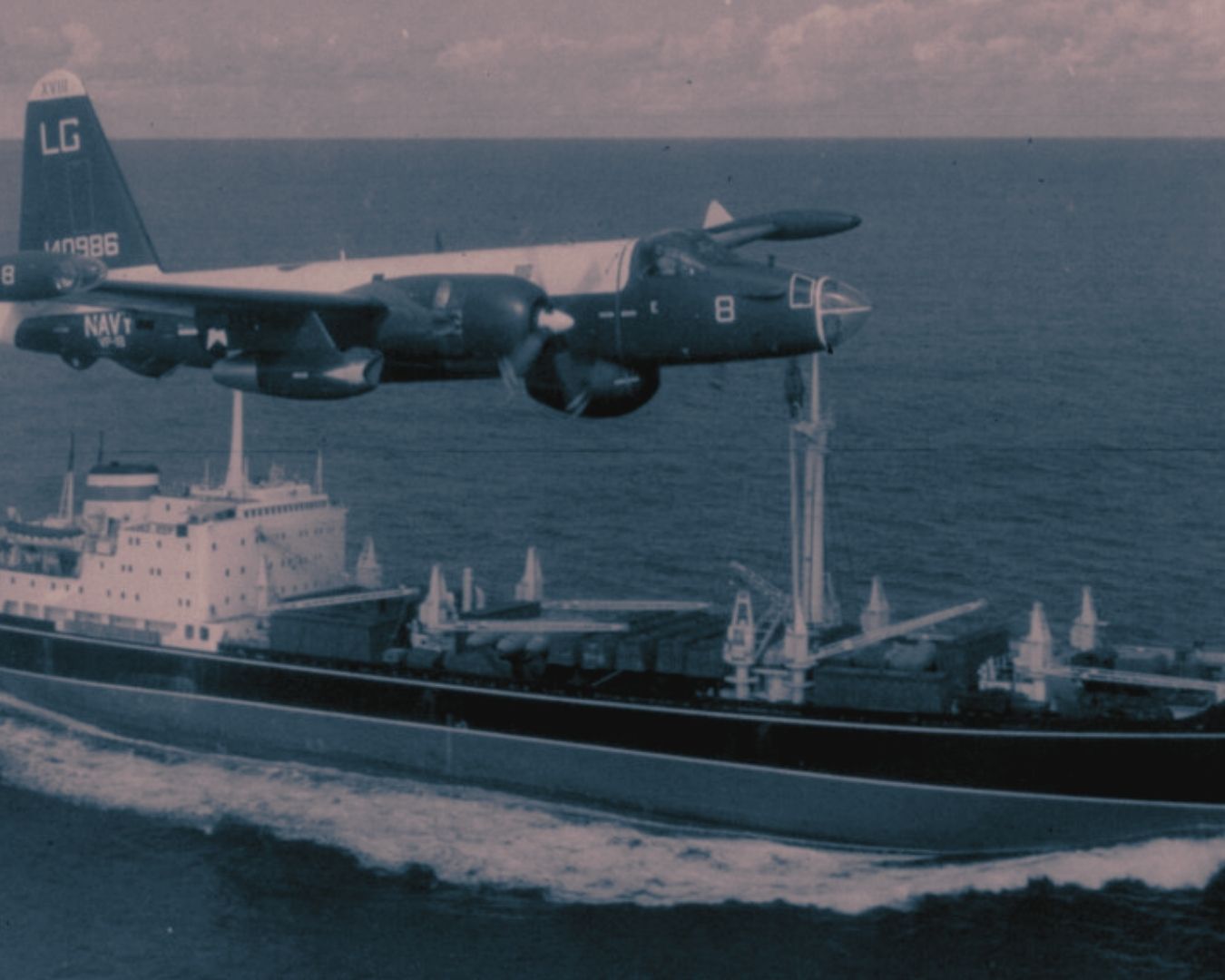
This historical committee is focusing The Cuban Missile Crisis, also known as the October Crisis in Cuba, or the Caribbean Crisis was a 13-day confrontation between the governments of the United States and the Soviet Union, when American deployments of nuclear missiles in the United Kingdom, Italy and Turkey were matched by Soviet deployments of nuclear missiles in Cuba. The crisis lasted from 16 to 28 October 1962. The confrontation is widely considered the closest the Cold War came to escalating into full-scale nuclear war. The committee requires from the delegates to handle this historical tension with diplomacy.