Historical North Atlantic Treaty Organization
AGENDA ITEM
Preventing Political and Military Instability in Eastern Europe in the Immediate Post-Cold War Period (1991-1993)
USG
Neva Özkul
ozkulneva@gmail.com
ACAS
Fehmi Efe ARSLAN
fehmiefearslan@gmail.com
NAC
PRESIDENT CHAIR
Uygar ERGENÇ
madhenk13@gmail.com
VICE CHAIR
Ethem GİRGİN
egirgin070708@gmail.com
RAPPORTEUR
Can Mete KARAKAŞ
ckarakas2009@gmail.com
SUMMIT
PRESIDENT CHAIR
Mükremin Yağız YAŞAR
myasaryagiz@gmail.com
VICE CHAIR
Sadık Berat ŞENER
sdkberatsener@gmail.com
RAPPORTEUR
Fatih Burak ALADAĞ
conqueror00000031@gmail.com
INTRODUCTION
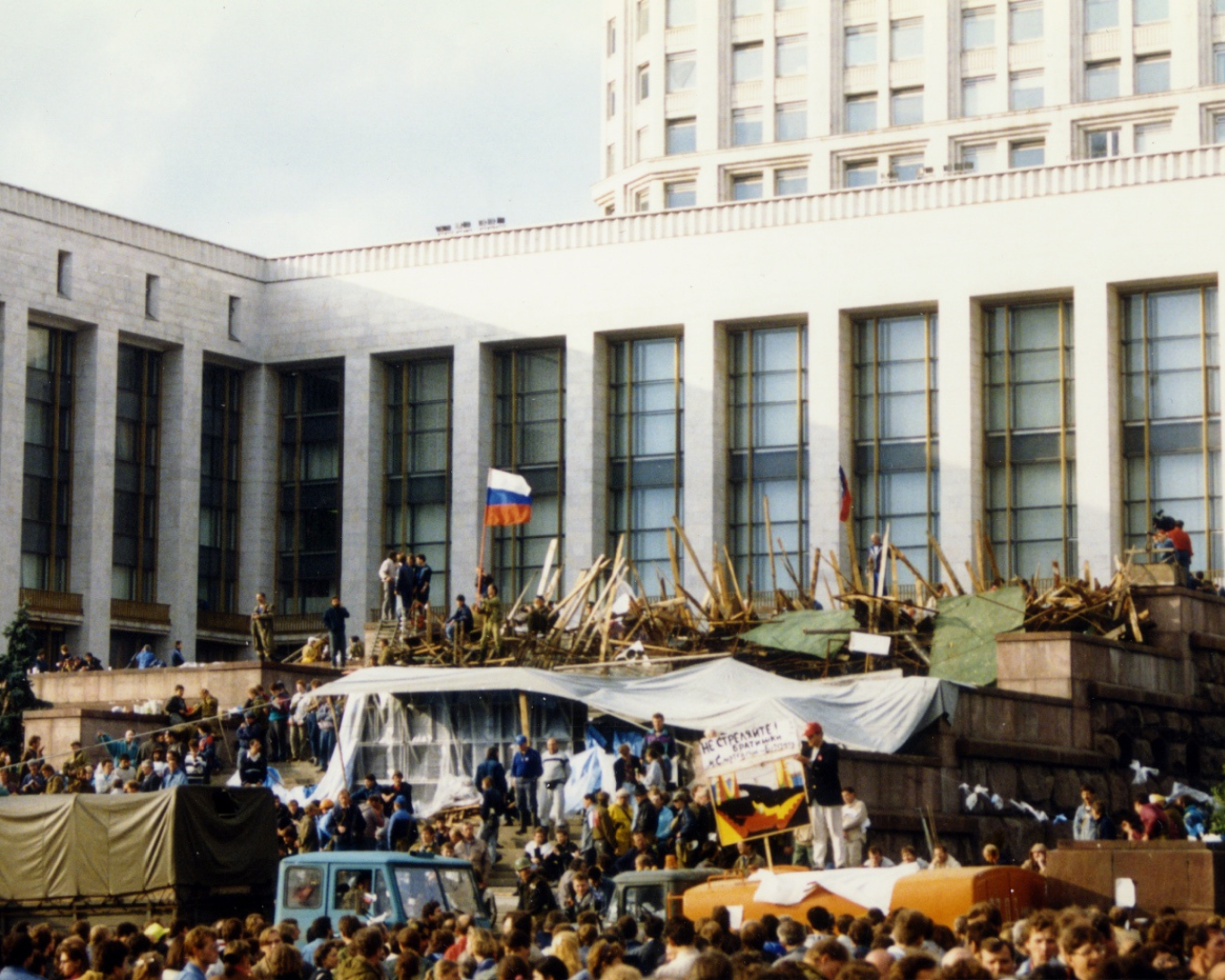
Following the dissolution of the Soviet Union, Eastern Europe entered a point of political and military uncertainty. Newly independent states faced challenges in establishing stability in governance systems while transitioning from centrally planned economies to market based structures. Thus weakening the state institutions and increasing internal unrest.
The collapse of the Warsaw Pact further increased instability by removing existing security framework in the region. In the absence of clear collective defense structure border disputes emerged along with ethnic tensions and potential for armed conflict. These developments created fragile regional environment with high risk of escalation. During this period of time NATO newly reassesed it’s strategic role. Rather than pursuing immediate expansion NATO faced the challenge of maintaining stability through alternative means such as diplomatic engagement, security cooperation and crisis prevention mechanisms. This raised fundamental questions regarding the alliance’s identity and its responsibilities beyond collective defense.
This agenda focuses on the prevention of instability in Eastern Europe prior to NATO enlargement. Delegates are expected to evaluate how NATO could support regional stability while respecting state sovereignty. Emphasis should be placed on conflict prevention, institutional support and the development of cooperative security frameworks.